
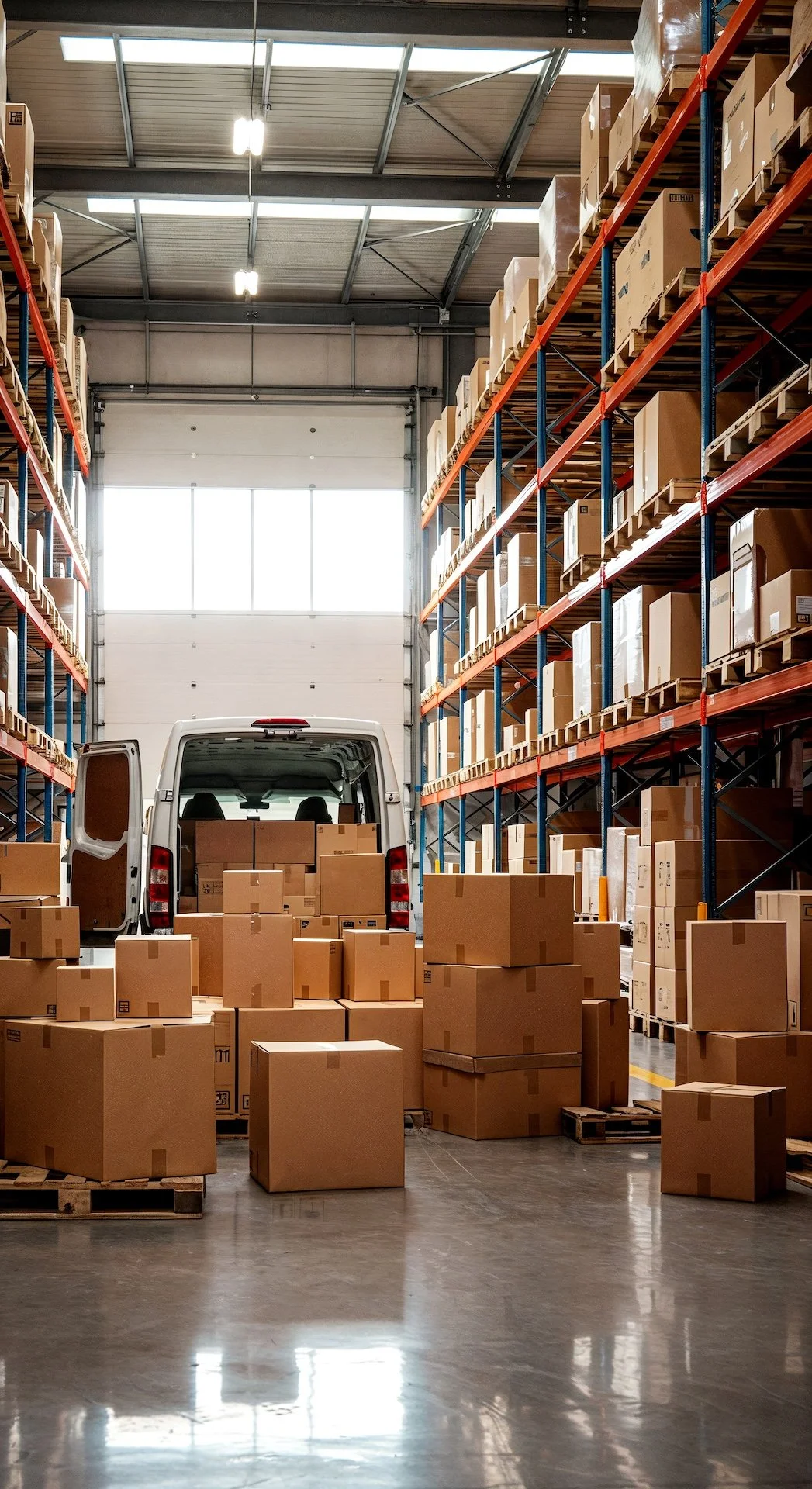
Warehouse and Storage
Warehouse and storage businesses operate at a critical point within the supply chain. Whether storing furniture, homeware, materials or finished products, clients rely on you to handle valuable stock carefully, efficiently and consistently.
At the same time, warehousing businesses often manage significant operational pressures behind the scenes. Goods move through multiple hands, delivery schedules change, storage periods extend unexpectedly and responsibility for loss or damage can quickly become unclear.
I work with warehouse and storage businesses within the interior design, furniture and homeware sectors to create practical legal and operational frameworks that support stable, commercially confident growth. From storage agreements and liability protections to operational processes and compliance, my role is to help businesses operate with greater clarity, protection and resilience.
Common Questions and Concerns
-
Loss, damage or theft of stored goods can quickly become one of the most serious disputes a warehousing business faces. When something goes wrong, responsibility is often assumed before the facts are properly understood.
Without clear agreements covering liability, insurance and operational responsibilities, warehouse operators can find themselves exposed to significant financial and reputational risk.
I help warehouse and storage businesses put clear storage agreements in place so liability, risk and insurance responsibilities are properly defined and aligned with how the business operates in practice.
-
Damage can occur during unloading, handling, storage or collection, yet determining exactly where responsibility sits is not always straightforward.
Without clear processes around condition reporting, handling procedures and transfer of responsibility, warehouse operators can find themselves facing disputes with customers, insurers or third parties when issues arise.
I help warehouse and storage businesses put clear agreements and operational frameworks in place so responsibilities around handling, storage and condition reporting are properly defined and easier to manage in practice.
-
It is common for businesses to assume goods are fully protected whilst in storage. In practice, insurance responsibilities are often more complex, particularly for high-value, bespoke or one-off items.
Warehouse insurance, customer insurance and contractual liability do not always align neatly. Where responsibilities and coverage are unclear, significant gaps in protection can emerge when problems occur.
I help warehouse and storage businesses review how liability and insurance interact across their operations so agreements and processes properly reflect the level of commercial risk involved.
-
Shared storage environments are often efficient, but where goods belonging to multiple clients are handled within the same space, the risk of misidentification, accidental movement or dispatch errors can increase.
Without clear operational processes and properly aligned agreements, even small handling mistakes can lead to disputes, reputational pressure and damaged client relationships.
I help warehouse and storage businesses review how responsibilities, handling procedures and operational risks are addressed so agreements and processes better reflect the realities of shared storage environments.
A legal approach grounded in operational reality
Before founding The Interior Design Lawyer, I spent years advising global institutions on complex commercial and cross-border matters. Today, I apply that experience exclusively within the interior design, furniture and homeware sectors.
That sector focus matters. It means I understand the operational realities behind warehousing and storage businesses, including stock handling, inventory risk, delivery coordination, supplier relationships, insurance considerations, damage claims and the importance of maintaining trust throughout the supply chain.
My advice is shaped around how your operations actually function day-to-day, not around generic templates or theoretical legal drafting.
Legal Health Check

Many warehousing businesses only become aware of weaknesses in their legal framework after a dispute, damaged goods claim or operational issue has already disrupted the business. A legal health check helps identify those vulnerabilities earlier and strengthen the commercial foundations supporting your operations.
The Interior Design Lawyer’s Legal Health Check reviews the core legal and operational areas of your business to assess whether your current frameworks properly reflect the way you operate today.
This may include reviewing:
Storage agreements and terms of business
Liability and limitation clauses
Damage, loss and insurance processes
Delivery, collection and access arrangements
Supplier and subcontractor agreements
Operational and compliance procedures
Commercial and reputational risk areas
The aim is to provide practical clarity, identify areas of exposure and help your business operate with greater consistency, resilience and confidence.